
Smarter Home Protection Starts With Modern Pest Prevention Habits

Homeowners are paying closer attention to healthier living spaces, and proactive pest prevention has become an important part of that shift. Instead of waiting for insects or rodents to become a visible problem, more people are focusing on practical habits that reduce the chances of infestations before they begin. Whether you own a family home, manage a rental property, or care for a business location, understanding the value of pest control south australia can help you maintain a cleaner, safer, and more comfortable environment throughout the year.
Why Preventive Pest Management Is Gaining Attention
People are becoming more aware that pest management is not only about removing unwanted visitors. It is also about protecting health, preserving property, and creating a comfortable place to live and work. Modern pest prevention combines regular inspections, good hygiene practices, and targeted treatments that reduce the likelihood of recurring problems.
As awareness grows, many property owners are choosing preventive solutions because they support long-term protection rather than reacting only after pests have become established. This approach also encourages better maintenance habits that benefit the entire property.
The Most Common Household Pests
Different environments attract different types of pests, but several are regularly found in residential and commercial properties. Knowing what to watch for allows property owners to respond early before small issues become larger concerns.
- Ants often enter buildings in search of food and water, creating visible trails through kitchens and storage areas.
- Cockroaches prefer warm, sheltered spaces and may contaminate surfaces where food is prepared.
- Rodents can damage wiring, insulation, and stored belongings while spreading harmful bacteria.
- Spiders usually seek quiet corners, garages, sheds, and outdoor structures where insects are plentiful.
- Termites silently feed on timber, making routine inspections especially valuable for protecting structural elements.
Recognizing these common pests helps homeowners identify warning signs before significant damage occurs.
Everyday Habits That Reduce Pest Activity
Preventing pests often begins with simple daily routines. Small improvements around the home can make a significant difference by removing the conditions that attract unwanted visitors.
Keeping food sealed properly limits access to easy meals for insects and rodents. Cleaning kitchen surfaces after preparing meals removes crumbs and sticky residues that encourage pest activity. Emptying garbage containers regularly also reduces attractive odors.
Outdoor maintenance plays an equally important role. Trimming vegetation away from exterior walls minimizes hiding places, while clearing leaves and debris reduces damp areas where pests may thrive. Repairing damaged screens and sealing cracks around doors and windows further limits entry points.
These practical habits work together to create an environment that is far less inviting for pests.
Why Early Detection Matters
Many pest issues begin quietly. By the time visible signs appear, populations may already be well established. Regular inspections make it easier to detect subtle warning signals before they develop into widespread infestations.
Property owners should watch for unusual droppings, damaged packaging, scratching sounds inside walls, discarded insect wings, or small holes in timber. Even minor changes can indicate that professional attention may be beneficial.
Responding early often helps preserve the condition of the property while reducing unnecessary disruption.
Seasonal Changes Can Influence Pest Activity
Weather conditions naturally affect how pests behave throughout the year. Temperature, rainfall, and changing humidity levels all influence breeding patterns and movement.
During warmer periods, insects become more active as they search for food and nesting opportunities. Cooler conditions may encourage rodents to seek shelter indoors where warmth and food sources are more reliable. Heavy rain can also drive certain pests toward buildings as outdoor habitats become less suitable.
Understanding these seasonal patterns encourages homeowners to remain attentive and maintain preventive routines regardless of the weather.
The Role of Professional Expertise
Although preventive habits are valuable, professional knowledge adds another layer of protection. Experienced technicians understand pest behavior, identify hidden activity, and recommend solutions tailored to the specific conditions of each property.
Professional inspections often uncover issues that may not be obvious to the average homeowner. This allows treatments to focus on the source of the problem rather than only addressing visible symptoms.
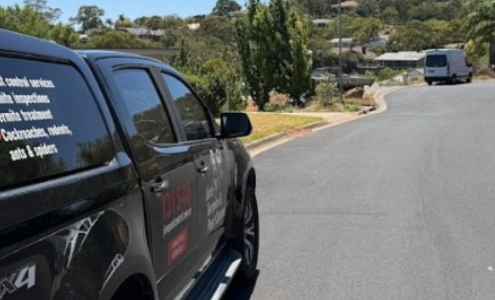
Many property owners choose trusted providers such as Jim’s Pest Control because experienced professionals can develop comprehensive strategies that combine inspection, treatment, monitoring, and practical prevention advice.
Safe and Responsible Pest Management
Modern pest management emphasizes responsible practices that balance effectiveness with environmental awareness. Treatment plans are designed according to the specific pest involved, the property’s layout, and the level of activity observed.
Responsible pest control also includes educating homeowners about ongoing prevention. Understanding how pests enter buildings, where they hide, and what attracts them allows residents to actively support long-term protection.
Communication between technicians and property owners helps ensure that recommended actions continue delivering positive results well after treatment has been completed.
Protecting Homes Beyond the Living Areas
Pests rarely limit themselves to kitchens or bathrooms. They can also occupy garages, roof spaces, storage rooms, outdoor entertaining areas, sheds, and gardens.
Regularly inspecting these overlooked locations helps identify developing issues before they spread into frequently used areas of the property. Organizing stored belongings, reducing clutter, and avoiding unnecessary moisture accumulation can discourage many common pests from settling in these spaces.
Paying attention to the entire property creates a stronger overall defense.
Why Education Makes a Difference
The more people understand pest behavior, the better prepared they become to prevent future problems. Educational resources, community awareness, and practical guidance all contribute to improved pest management outcomes.
Learning about common nesting locations, seasonal activity, and signs of infestation encourages earlier action and smarter maintenance decisions. Instead of relying solely on reactive measures, informed property owners are able to create conditions that naturally discourage pests.
Knowledge empowers homeowners to make confident decisions while supporting healthier living environments.
Building a Long-Term Prevention Strategy
Effective pest management is not a single event but an ongoing commitment. A consistent strategy combines property maintenance, regular inspections, prompt attention to warning signs, and professional support whenever necessary.
Successful long-term prevention often includes:
- Keeping indoor and outdoor areas clean and free from unnecessary clutter.
- Sealing entry points around windows, doors, pipes, and utility openings.
- Managing moisture by repairing leaks and improving ventilation where needed.
- Inspecting timber structures and storage areas for early signs of pest activity.
- Following professional recommendations to maintain lasting protection.
When these practices become part of normal property care, they create an environment that is naturally less attractive to pests.
Creating a Healthier Living Environment
Pest prevention contributes to much more than property protection. A clean, well-maintained home supports comfort, confidence, and peace of mind for everyone who lives or works there.
Reducing pest activity also helps protect stored food, household belongings, and important structural components. Families can enjoy their living spaces knowing that preventive measures are actively supporting a healthier indoor environment.
As awareness continues to grow, proactive pest management is becoming a standard part of responsible property ownership rather than an occasional response to visible infestations.
See also: Why Customized Personal Care Leads to Better Quality of Life for Seniors
Conclusion
Modern pest prevention is built on preparation, awareness, and consistent maintenance. By combining good household habits with professional guidance, property owners can reduce risks before they develop into larger concerns. Regular inspections, early detection, and responsible prevention strategies all contribute to cleaner, safer, and more comfortable spaces throughout the year. Taking a proactive approach today helps protect your property for the future, making it easier to maintain a healthy environment with confidence. When you are ready to take the next step toward lasting protection, remember to Book Your Appointment Online and make preventive care part of your regular property maintenance routine.